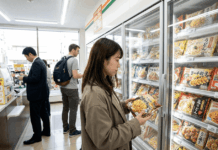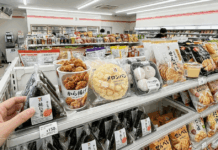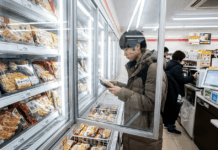
A full meal at a Japanese restaurant runs 800 to 1,200 yen. A full meal at 7-Eleven Japan runs under 500 yen. That gap is where budget-conscious travelers should be paying attention.
The part that catches people off guard: konbini food in Japan competes with casual restaurant quality. Bento boxes, fresh salads, and hot counter items are made and restocked daily, not sitting under heat lamps for hours.
This guide is for the traveler, exchange student, or remote worker in Japan who needs to eat well on roughly 1,500 yen a day or less. If that sounds like you, the konbini is your kitchen.
How Much Does a Meal at 7-Eleven Japan Cost?
A typical konbini meal at 7-Eleven Japan costs between 300 and 500 yen, or roughly $2 to $3.50 USD at mid-2026 exchange rates. That puts it below chain fast food and well below sit-down restaurants.
I think 7-Eleven Japan is the single best price-to-quality ratio in the country's food scene, and that includes ¥290 gyudon chains like Yoshinoya.

The reason: a 450-yen konbini meal gives you protein, carbs, and a vegetable side in one box with calorie counts printed on the label. Yoshinoya gives you a bowl of rice and beef.
Onigiri: the 110-Yen Starting Point
Onigiri (rice balls) cost between 110 and 160 yen each. Fillings include salmon, tuna mayo, kombu seaweed, and pickled plum. Two or three of them total under 400 yen and fill most people up for a few hours.
They're the go-to quick snack for a reason. Portable, no utensils needed, and available at every single location 24 hours a day.
Bento Boxes for Under 600 Yen
Bento boxes range from 350 to 600 yen and include combinations like grilled salmon with rice and pickled vegetables, or karaage (fried chicken) with a side of slaw. Protein and carbs in one container.
Larger appetites do well here. A 500-yen bento paired with a 100-yen miso soup from the instant shelf makes a filling dinner for about $4 USD.
Sandwiches and Wraps at 220 to 350 Yen
The egg salad sandwich is a cult favorite among tourists for a reason. That soft, crustless white bread with a thick egg filling hits differently than any convenience store sandwich you've tried elsewhere.
Other options include ham and cheese, katsu (cutlet) sandwiches, and seasonal wraps. None of them will change your life, but at 220 to 350 yen, they don't need to.
Hot Counter Items and Instant Noodles
The heated cabinet near the register holds some of the best-value items in the store. Nikuman (steamed pork buns), fried chicken pieces, croquettes, and oden (a simmered stew) all cost between 120 and 200 yen each.
Nikuman and Fried Chicken
A single nikuman at 150 yen is a warm, protein-rich snack that takes ten seconds to buy. Add a fried chicken piece for another 150 yen and you've got a 300-yen hot meal. Not gourmet. But satisfying at 11 PM when nothing else is open.
Staff rotate the hot items throughout the day. If you're curious about what's popular, asking the cashier "osusume wa?" (what do you recommend?) usually gets a smile and a pointed finger.
Instant Ramen and Udon Bowls
Instant noodle cups start at 120 yen and go up to about 300 yen for larger bowls. Every 7-Eleven has a hot water dispenser near the eating area, so you can prepare your meal on the spot.
Would I eat instant ramen every day? No. But as a once-or-twice-a-week budget backup on a long trip, it does the job.
Building a Full Day of Meals Under 1,500 Yen
This is where konbini eating gets strategic. A sample day at 7-Eleven Japan could look like this:
- Breakfast: two onigiri (260 yen) + bottled green tea (110 yen) = 370 yen
- Lunch: karaage bento (480 yen) + side salad (200 yen) = 680 yen
- Dinner: nikuman (150 yen) + instant udon (180 yen) + pudding dessert (150 yen) = 480 yen
Daily total: 1,530 yen, or about $10.50 USD. That includes three meals and a dessert.
I would push back on the common tourist advice to skip konbini food and save up for restaurant meals instead.
Over a 14-day trip, eating two of three daily meals at 7-Eleven saves roughly 10,000 to 15,000 yen compared to eating every meal at restaurants. That's an extra day's worth of activities or a shinkansen ticket.
7-Eleven Japan vs. Supermarkets and Vending Machines
Supermarkets sometimes beat 7-Eleven on raw ingredient prices. A pack of rice or a carton of eggs costs less at a grocery store. But that math only works if you have a kitchen.
| Option | Typical Meal Cost | Hours | Prep Needed? |
|---|---|---|---|
| 7-Eleven meal | 300–500 yen | 24/7 | None |
| Supermarket (cook yourself) | 200–400 yen | ~9 AM–10 PM | Yes |
| Chain restaurant | 800–1,200 yen | ~11 AM–10 PM | None |
| Vending machine snacks | 150–300 yen | 24/7 | None |
The takeaway: supermarkets win on cost if you can cook. 7-Eleven wins on cost-per-minute-of-effort at any hour.
Vending machines sell drinks and small snacks but can't compete on meal value. A vending machine sandwich costs about the same as a 7-Eleven one, and the quality gap is noticeable.
Late-Night Discounts and Seasonal Specials
After about 8 PM, many 7-Eleven locations place discount stickers (called waribiki or oshiri stickers) on bento boxes, sandwiches, and other items approaching their sell-by time. Discounts range from 10% to 30% off.
How to Spot the Deals
The stickers are usually bright yellow or red, placed directly on the price label. Not every store discounts aggressively, but locations near train stations tend to mark items down faster to clear inventory before the last trains.
Seasonal Limited-Time Items
7-Eleven Japan rotates seasonal flavors every few weeks. Spring might bring sakura-flavored desserts. Autumn brings chestnut and sweet potato items. These limited runs sometimes cost less than permanent menu items as promotional pricing.
Allergens and Dietary Restrictions at Japanese Konbini
Allergy labeling on 7-Eleven products follows Japan's Food Labeling Act, which requires disclosure of 28 specified allergens including wheat, eggs, milk, shrimp, crab, peanuts, and buckwheat. The catch: labels are almost entirely in Japanese.
Live Japan's konbini food guide has a useful visual reference for reading allergen labels if you don't read Japanese. Taking a screenshot of the common allergen kanji before your trip saves time at the shelf.
If you're vegetarian or vegan, the options narrow quickly. Most bento boxes contain fish or meat-based dashi. Onigiri fillings like kombu or ume (pickled plum) are usually safe, but checking the ingredient list matters because some contain bonito extract.
A good precaution before buying anything: compare the allergen icons on the package (small colored boxes near the barcode) against a translated reference chart on your phone.
Drinks and Desserts Under 200 Yen
Bottled green tea, barley tea, and water all cost between 100 and 150 yen. The 7-Eleven house-brand coffee machine dispenses a fresh cup for about 110 yen, and it's surprisingly good for the price.
Desserts stay under 200 yen for items like:
- Purin (custard pudding), typically 150 to 180 yen
- Coffee jelly, around 130 yen
- Daifuku (mochi with sweet filling), usually 120 to 160 yen
These aren't bakery-quality. But at 150 yen, a purin after a long day of walking feels like a small win.
Questions People Ask About Cheap Food at 7-Eleven Japan
These are the questions that come up most when people start planning konbini meals.
- Q: Can you eat three meals a day at 7-Eleven Japan?
Absolutely. A full day of breakfast, lunch, and dinner costs between 1,200 and 1,800 yen depending on your choices. The variety is wide enough that you won't repeat the same meal for days if you mix items across categories. - Q: Is 7-Eleven food in Japan healthy?
It depends on what you pick. Bento boxes with grilled fish, salads, and tofu-based sides are reasonably balanced. Calorie counts and macronutrient breakdowns are printed on every package, so you can track intake easily. - Q: Do 7-Eleven stores in Japan have seating areas?
Some do, but many don't. Stores near train stations or in urban areas are more likely to have a small counter or window-facing bar. Rural locations and smaller shops usually lack seating. - Q: How do you use the hot water dispenser for instant noodles?
Pour the hot water into your cup noodle, close the lid, and wait the time printed on the package (usually 3 to 5 minutes). The dispensers are free to use for any customer. Staff won't mind. - Q: Are 7-Eleven prices the same across all of Japan?
Prices are standardized across most locations, though a few airport or tourist-area stores may charge slightly more. The difference is rarely more than 10 to 20 yen per item.
Conclusion
Eating cheap in Japan doesn't require sacrificing flavor or nutrition. 7-Eleven Japan turns a tight daily budget into three solid meals without a kitchen.
The best strategy is mixing categories: one onigiri, one hot item, one side. That combination keeps your spending low and your energy steady through a full day of exploring.