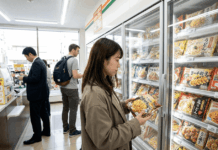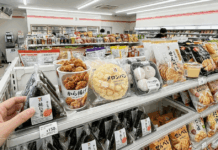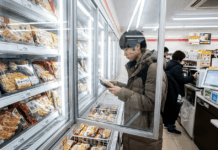
A full 7-Eleven Japan meal under ¥500 costs less than a cup of coffee in most Tokyo cafes. That's roughly $3.30 USD for protein, rice, and sides.
The catch? Half the menu rotates without warning, and the best items vanish before 1pm. Picking wrong means bland rice and regret.
This guide is for the budget traveler or student in Japan who eats two or three konbini meals a day and needs every yen to count.
Onigiri: The ¥300 Lunch Nobody Talks About
A single onigiri at 7-Eleven Japan costs between ¥120 and ¥160, depending on filling. Two onigiri plus a small drink puts you at roughly ¥350 for a real meal.
Which Onigiri Fillings Are Worth It
Salmon (sake) and tuna mayo are the safe picks. Kombu (kelp) is an acquired taste, but it's the cheapest option in most stores.

I would grab the multigrain onigiri (labeled 雑穀 or 玄米) over white rice every time at ¥140 to ¥160 per piece. The texture holds up better, and you stay full longer.
Pairing Onigiri for a Complete Meal
Two onigiri and a yogurt drink runs about ¥390 total. That's a balanced enough lunch for anyone walking 20,000 steps through Shinjuku.
7-Eleven Bento Boxes Under ¥500
A 7-Eleven bento is a full tray meal: protein, rice, vegetables, and pickled sides packed into one container. Prices sit between ¥400 and ¥500 for standard options.
Karaage, Pork Cutlet, and Grilled Salmon Sets
The karaage (fried chicken) bento paired with a ¥78 miso soup comes to about ¥480. Pork cutlet sets hover around ¥450. Grilled salmon is the priciest at ¥490 to ¥500, but the portion size makes it worth it.
Seasonal Bento Rotations
7-Eleven swaps bento recipes based on season. Spring might bring bamboo shoot rice. Winter leans heavy on stewed pork. You won't find the same lineup two months in a row.
Noodle Bowls and Sandwiches for Under ¥400
Instant soba and udon bowls start at ¥300 for a plain version. Adding tempura or extra toppings pushes the price to ¥480. These are the go-to cold-weather pick.
The shrimp tempura udon paired with a small vegetable side totals roughly ¥495. That's filling enough for dinner.
7-Eleven Sandwiches and Wraps
Japanese-style sandwiches (egg salad, katsu) cost between ¥230 and ¥350. Two of them make a solid lunch under ¥500.
I think the egg salad sandwich at ¥230 is the single best calorie-per-yen item on any konbini shelf in Japan. Two of them for ¥460 keeps you going through a full afternoon of sightseeing.
Sushi Packs and Hot Snacks at 7-Eleven
Small sushi packs with three to six pieces run between ¥250 and ¥480 at 7-Eleven Japan. Salmon and tuna nigiri are the most common. Maki rolls tend to be cheaper.
Konbini sushi sounds sketchy, but 7-Eleven's turnover rate is so high that stock rarely sits longer than half a day. The freshness is comparable to mid-tier conveyor belt sushi spots.
Hot Snacks at the Checkout Counter
The heated display near the register holds oden (simmered vegetables, egg, fishcake), fried chicken, and yakitori skewers. Each piece costs between ¥100 and ¥150.
You can build a custom meal this way:
- Two oden pieces (egg + daikon radish): roughly ¥200
- One yakitori skewer: about ¥130
- One onigiri: ¥140
- Total: ¥470 for a hot, filling, protein-heavy meal
Salads and Cold Sides
Pre-made salads with chicken or pasta cost ¥200 to ¥350. Pair one with a rice ball for a lighter meal under ¥500 total.
7-Eleven vs FamilyMart vs Lawson: Which Konbini Wins on Budget Meals
All three major konbini chains sell meals under ¥500. The differences come down to specialty items and consistency.
| Store | Meal Variety | Price Range | Best For |
|---|---|---|---|
| 7-Eleven | Bento, onigiri, noodles, salads, sushi | ¥100–¥500 | Widest meal selection |
| FamilyMart | Fried snacks, rice bowls, sweets | ¥150–¥600 | Fried chicken (Famichiki) |
| Lawson | Fried goods, unique snacks | ¥120–¥550 | Karaage-Kun nuggets |
7-Eleven wins on variety and freshness for full meals. FamilyMart's Famichiki is better fried chicken. Lawson's dessert game is stronger.
I would pick 7-Eleven as a daily default for under-¥500 meals but switch to FamilyMart specifically for their ¥220 Famichiki when I want a hot snack. Loyalty to one chain wastes money.
When to Shop for the Freshest 7-Eleven Meals
The best restocking window is 10:30am to 12:30pm, when lunch items hit the shelves. Bento and sushi packs are freshest during this window.
Downtown stores near train stations carry the widest selection. But those same locations sell out fastest. A store two blocks off the main road often has the same stock with less competition.
What to Watch Out For
Packaging limits texture. Microwaved bento rice gets gummy if you reheat it twice. Some items are discontinued without notice, so don't build your whole trip around one specific product.
Travelers with food allergies should know that ingredient lists are printed in Japanese. The Google Translate camera feature can scan labels in real time, and it catches about 80% of common allergens accurately.
Nutrition Labels at Japanese Convenience Stores
Salt and sugar content runs higher than home-cooked Japanese food. Look for items labeled カロリー控えめ (calorie-light) or 減塩 (reduced salt) on the packaging.
Nutrition info is printed on every package. Even limited Japanese reading ability gets you through the calorie and sodium numbers, since those use Arabic numerals.
A few specific things to check:
- Sodium per serving: anything over 800mg per meal is on the high side
- Protein content: bento boxes usually deliver 15g to 25g
- The 雑穀 (multigrain) label on onigiri means higher fiber content
Questions People Ask About 7-Eleven Japan Budget Meals
These are the questions that come up most when people plan konbini meals in Japan.
- Q: Can you eat three meals a day at 7-Eleven Japan for under ¥1,500?
Yes, and it's easier than you'd expect. Onigiri for breakfast (¥300), a bento for lunch (¥450), and noodles for dinner (¥400) totals ¥1,150. That leaves room for a drink or dessert. - Q: Do 7-Eleven Japan stores have microwaves for customers?
Every store has a microwave near the register. Staff will heat your bento or noodle bowl for free if you ask. Just point at the item and say "atatamete kudasai" (温めてください). - Q: Are 7-Eleven meals in Japan safe for people with food allergies?
Ingredient lists are printed on every package, but they're in Japanese. Translation apps work well for common allergens like wheat, egg, milk, and shellfish. Staff cannot typically provide allergy guidance in English. - Q: Is 7-Eleven food in Japan the same quality as restaurant food?
The gap is smaller than you'd guess. Bento boxes and onigiri use fresh ingredients with daily turnover. The main difference is texture: reheated rice and microwaved proteins lose something compared to freshly cooked restaurant meals. - Q: What time do 7-Eleven stores in Japan restock food?
Major restocking happens between 10:30am and 12:30pm for lunch items, and again around 5pm to 6pm for dinner. Early morning stock (before 7am) covers breakfast onigiri and sandwiches.
Conclusion
Eating well in Japan on ¥500 per meal is a real option, not a sacrifice. The 7-Eleven konbini system runs on speed, freshness, and relentless product rotation.
Budget travelers who learn the restock schedule eat better than tourists spending ¥2,000 on mediocre restaurant sets. Your cheapest meals in Japan might end up being your favorites.