
Japan’s dining scene is diverse, bustling, and highly competitive. For many residents and expats aiming to earn a living or supplement their income, restaurant jobs at Gusto offer a practical option.
Gusto, a popular family restaurant chain, spans hundreds of locations across Japan. This article explores what to expect if you’re interested in Gusto jobs, including typical roles, working culture, requirements, and tips for navigating the job search.
Why Gusto Restaurant Jobs Appeal to Job Seekers in Japan
Gusto is one of Japan’s leading family restaurant chains, recognized for steady business and accessible job opportunities. Job seekers might notice plenty of staff wanted signs in windows or online listings, especially in urban centers.
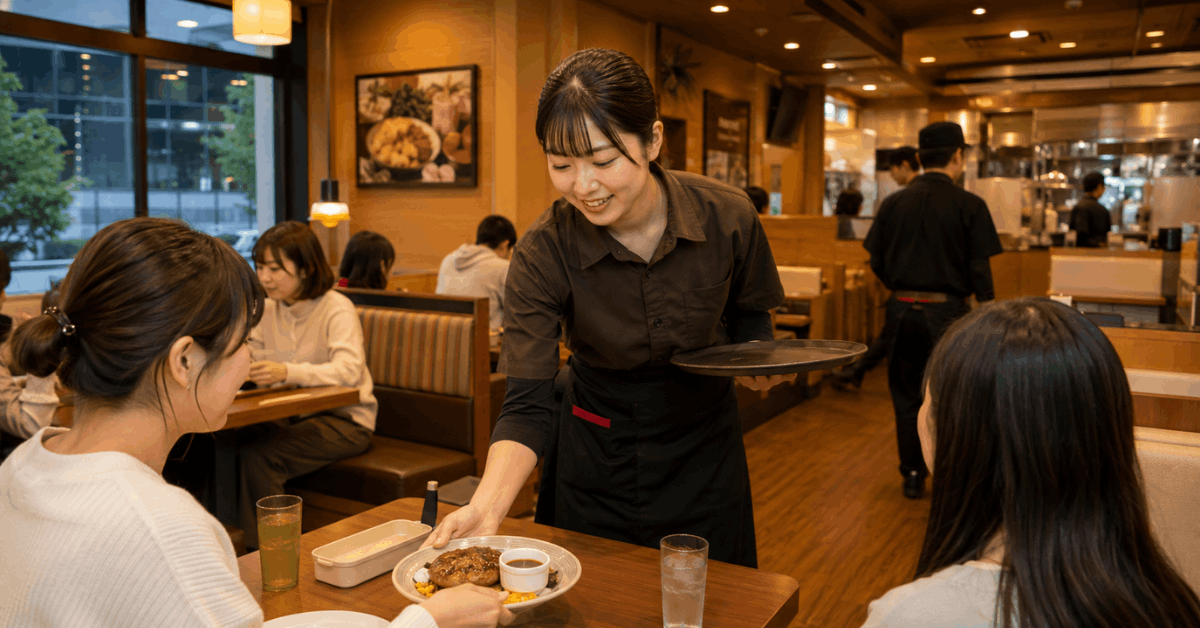
There’s good reason for this demand but, admittedly, the job is not universally easy. For many, though, the work provides stability and a sense of involvement in Japan’s service culture.
Reputation for Consistent Hiring
Gusto is known for hiring both experienced workers and those new to the restaurant industry, including students and non-Japanese residents.
This can make the application process feel less intimidating, perhaps easing anxiety about strict requirements. Experience isn’t always necessary, which opens doors for newcomers trying to gain a foothold in Japan’s workforce.
Flexible Scheduling and Benefits
Many employees appreciate the reasonable shift flexibility Gusto offers. Shifts range from short 3-4 hour slots to longer evening shifts, which can work well for students or part-timers.
Some locations even offer late-night or early-morning roles, so there’s a fair bit of scheduling variety.
Opportunities for Growth
While entry-level positions are the norm for new staff, ongoing training and regular evaluations may allow people to move up to supervisory or full-time roles.
Advancement is not always quick, but the pathway tends to be clear, and those who stick with the job often gain important workplace skills.
Types of Gusto Restaurant Jobs in Japan
Gusto restaurant jobs generally fall into a few main categories. Each has distinct demands but usually requires a basic commitment to customer service and teamwork.
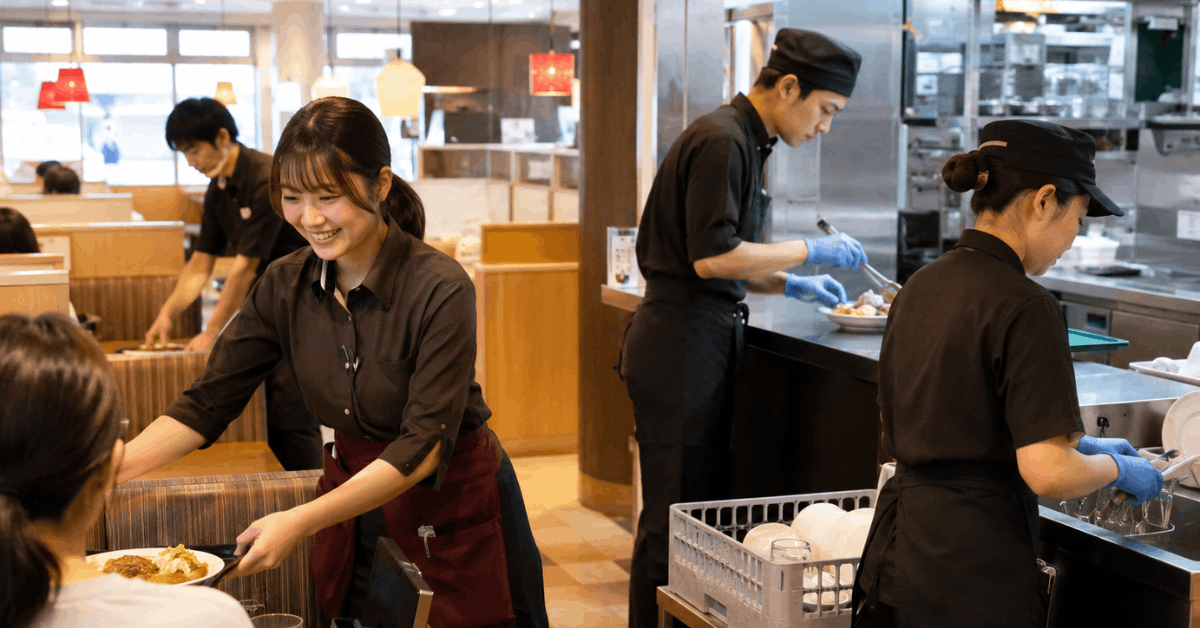
Some tasks are repetitive; others can be unpredictable, depending on the time of day and customer volume.
Front-of-House and Waitstaff
Front-of-house staff handle welcoming guests, taking orders, serving dishes, and occasionally light cleaning. Japanese language ability is often required, because communication with diners is constant.
That said, some locations are more open to staff using basic Japanese or mixing with English, particularly in busy city areas.
Kitchen Crew
Kitchen workers manage food preparation, cooking, and plating under supervision. Actually, many Gusto outlets use automated or semi-automated cooking systems, so tasks may not always involve advanced culinary skills.
However, a solid understanding of cleanliness and food safety matters most here, and many employers will provide detailed training.
Dishwashing and Maintenance
Duties for cleaning staff usually involve clearing tables, washing dishes by machine or by hand, and light janitorial work.
The nature of these tasks can be physically tiring, but the workload is generally straightforward. For those still improving their Japanese, dishwashing roles may offer a gentler start.
Common Requirements for Gusto Restaurant Jobs
Requirements for positions at Gusto are usually straightforward. Yet, there are some practical stipulations to consider before applying, especially for non-native applicants. Here are a few things that come up regularly in job descriptions.
Minimum Age and Work Status
Applicants typically need to be at least 18, though some locations accept students or younger teens during certain hours.
Most essential is proper visa status—foreign residents must have a valid permit to work part-time or full-time, such as a student, dependent, or working visa.
Language Abilities
While full fluency in Japanese isn’t always essential, conversational ability is almost always needed for customer-facing roles.
Kitchen and dish teams might get by with basic Japanese, as most training uses simple instructions or visual aids. If you’re unsure about your language level, applying to kitchen roles first can sometimes be less stressful.
Physical Stamina and Teamwork
Restaurant work is active. Employers typically expect applicants to be comfortable standing for extended periods, able to lift trays or supplies, and willing to pitch in wherever needed.
Teamwork matters, though the level of formality in group dynamics might catch some first-timers off guard.
How to Search for Gusto Restaurant Jobs in Japan?
Finding restaurant jobs at Gusto isn’t particularly complicated, but knowing where to look and what to prepare does make the process smoother. Below are a few ways people commonly land positions:
- Visiting Gusto locations directly to ask about openings
- Checking job boards such as "TownWork" or "Baitoru" (in Japanese)
- Searching Gusto’s own recruitment site, if available
- Registering with a staffing agency specializing in food service roles
It’s worth noting that online application forms are almost always in Japanese. Preparing a Japanese-language resume (rirekisho) may be necessary, though some venues offer English support in urban areas.
Interview and Hiring Process
The hiring process for Gusto positions is practical and usually unfolds quickly. Many candidates report receiving a response within a few days, especially if there’s immediate staffing need. Interviews are sometimes informal, focusing more on attitude and availability than deep experience.
- Bring ID and relevant visa documents to interviews.
- Dress neatly but not overly formal – basic business casual attire works.
- Expect simple questions about work history and motivations.
- Be open about your schedule and language ability.
Compensation and Working Conditions
Pay rates for Gusto jobs fluctuate depending on the region and job type. Wages are often hourly, with late-night or overtime premiums possible. In Tokyo or Osaka, hourly rates are usually higher than in rural areas but balanced by cost-of-living.
Estimated Pay Range
Hourly pay may range from a little above minimum wage (around ¥1,000 to ¥1,300) up to ¥1,500 or more for late shifts. Benefits such as free or discounted meals are common, and transportation allowances may be offered at centrally located venues.
Legal Breaks and Overtime
Japanese labor laws require scheduled breaks and cap overtime hours, at least on paper. Gusto generally follows these guidelines, but actual practices might vary by location.
Honest conversations with staff during the interview can shed more light on what to expect day to day.
Challenges and Considerations for Non-Japanese Workers
Several non-Japanese staff say Gusto is relatively welcome to foreigners compared to many small restaurants. However, adapting to a fast-paced, hierarchical workplace can be challenging.
Team culture often emphasizes efficiency, punctuality, and humility—traits sometimes different from those expected elsewhere. Occasional language missteps happen, but willingness counts for a lot.
Support and Language Training
Certain Gusto locations offer informal language support, and some colleagues go out of their way to help newcomers adjust. If possible, asking peers for help with tricky menu terms or kitchen procedures speeds up learning and helps break the ice.
Advice for a Smooth Start
- Observe quietly at first; many workplace norms aren’t explained but simply expected.
- Arriving a few minutes early is sometimes viewed as a sign of respect.
- It’s okay to admit confusion or politely ask for clarification.
Legal and Safety Guidelines for Restaurant Work
Japan enforces strict workplace safety and hygiene protocols for restaurant staff. Gusto abides by these, providing employees with training on safe food handling and workplace sanitation. Employees must attend required health checks and wear appropriate uniforms or safety gear at all times.
- Follow food safety rules for proper storage and handling
- Comply with mask and glove requirements when preparing or serving meals
- Report accidents or injuries promptly to managers
- Check visa limitations on work hours to avoid legal issues
Tips for Applying to Gusto Restaurant Jobs in Japan
- Check Gusto locations, job boards, and recruitment pages regularly.
- Prepare a Japanese resume and valid work documents.
- Be honest about your schedule and Japanese ability.
- Choose front-of-house, kitchen, or cleaning roles based on your skills.
- Arrive on time and dress neatly for the interview.
- Learn basic restaurant phrases and menu terms.
- Follow food safety, hygiene, and uniform rules carefully.
- Ask questions early during training if tasks are unclear.
Conclusion
Gusto restaurant jobs in Japan can be a practical option for students, foreign residents, and beginners seeking food service experience. These roles often offer flexible shifts, basic training, steady pay, and possible staff benefits.
However, applicants should consider language needs, physical stamina, busy shifts, and visa work limits before applying. With reliability, teamwork, and patience, Gusto can be a useful entry point into Japan’s restaurant industry.