
Balancing academics with real-life experience can feel tricky for students studying in Japan.
Yet, part-time jobs , especially at convenience store chains like 7-Eleven, remain hugely popular among those looking to boost their income and immerse themselves in local culture.
This article explores why 7-Eleven roles work so well for international students, what the job involves, and the practical steps to consider before applying—or perhaps just out of curiosity.
Why Do International Students Choose 7-Eleven Jobs in Japan?
International students may feel unsure about which part-time work fits best with their schedules and abilities.
However, 7-Eleven jobs offer several advantages that naturally appeal to those balancing classes and new experiences.
Flexible Schedules for Study-Life Balance
Japanese convenience stores are open almost around the clock, allowing students to pick shifts that fit their university hours.
Late-night or early morning slots, while not for everyone, can sometimes align with the free time in a student’s day.
Language Learning on the Job
For non-native speakers, working at 7-Eleven can accelerate everyday Japanese language skills.
Interacting with customers and colleagues pushes communication far beyond textbooks. At moments, it can feel daunting—yet, that's often how real learning happens.
Steady, Legal Employment for Foreign Students
Working at reputable chains means reliable employment terms and secure payment. With student visas, part-time work is allowed up to 28 hours per week during semesters, making 7-Eleven a frequent choice because they understand and respect these legal restrictions.
What to Expect: Typical Roles and Responsibilities
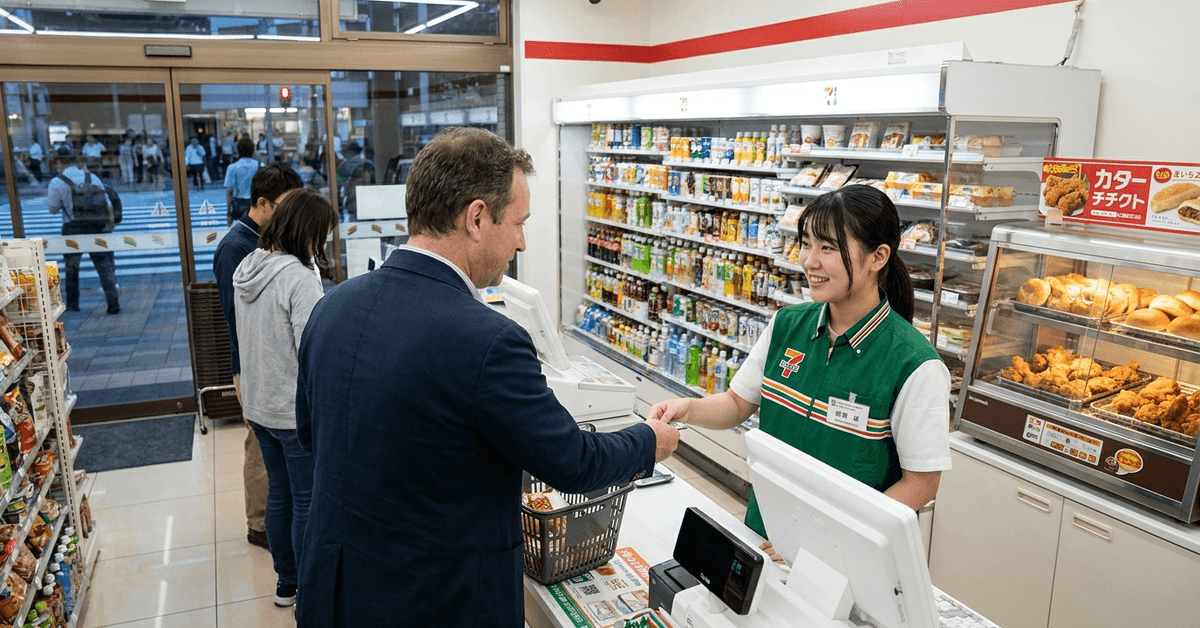
The average day at a Japanese 7-Eleven combines routine with surprising variety. At times tasks are simple, while on other days a student might need to think quickly under pressure, especially during peak periods or when handling new products.
- Register Operation: Scanning products, processing payments, and bagging items.
- Stocking Shelves: Managing deliveries and organizing shelves for cleanliness and accessibility.
- Food Preparation: Heating, packaging, or arranging ready-to-eat meals.
- Customer Service: Assisting with inquiries, lottery tickets, bill payments, and supporting lost tourists.
- Cleaning: Sweeping, wiping displays, and ensuring hygiene standards are met throughout each shift.
Retail experience is not always required, but a willingness to learn and a basic grasp of polite Japanese are helpful. Newcomers are often mentored by experienced staff, sometimes even by other international students.
How Much Can Students Really Earn at 7-Eleven?
Wages usually depend on the store's location. In Tokyo, hourly pay may range from ¥1,000 to ¥1,200.
Regional stores sometimes pay a bit less, while overnight shifts can bring modest night-time premiums—up to ¥1,500 in some busy urban spots. Most students say the earnings cover basic living expenses or provide spending money.
Of course, the social aspects—making local friends, learning workplace habits, and observing Japanese business etiquette—are harder to assign a number to, yet are consistently praised as valuable takeaways.
Practical Considerations Before Applying
It's not unusual to feel nervous about balancing work and study, especially in a new culture. Here are a few gentle reminders for those thinking about applying to a 7-Eleven part-time position:
- Student Visa Work Permits: Students need permission (shūgaku katsudō) for part-time work, applied for at the regional immigration office.
- Language Level: A conversational level of Japanese is beneficial. Some stores require JLPT N3 or above, while others may train beginners.
- Resume and Interview: Japanese resumes (rirekisho) follow unique formats; even the photo matters. Interviews may test politeness or basic math.
- Hours Allowed: Students are generally limited to 28 hours per week during academic terms and up to 40 hours during holidays.
- Location and Commute: Proximity matters, as balancing late-night travel or early shifts with classes can get tiring.
Skills and Experiences Gained from 7-Eleven Work
I once asked a fellow student what they learned after four months at a Tokyo 7-Eleven. They mentioned picking up polite Japanese, but also patience, time management, and a bit of confidence handling challenging customers.
These skills seem easily overlooked, yet often prove useful later—maybe in other jobs, or just navigating daily life in Japan.
Boosting Communication and Professional Etiquette
Perhaps the most valuable part of the job is daily interaction with people from all walks of life, often in brief but memorable encounters. Routine greetings and formal expressions can become second nature after a few weeks.
Understanding Japanese Workplace Culture
Learning how to follow protocols, meet punctuality standards, and cooperate within a hierarchy are subtle lessons built into every shift.
Small actions—like bowing or restocking with precision—carry cultural meaning that’s hard to pick up outside of work.
Challenges: What International Students Should Know
No part-time job is entirely straightforward. For some international students, 7-Eleven work can feel repetitive or demanding, especially during busy times or when cultural misunderstandings arise.
Still, plenty manage well—sometimes with the help of a kind supervisor, sometimes just by taking it one shift at a time.
- Language Barriers: Even with N3 or N2 Japanese, some phrases and dialects might catch people off-guard at the register.
- Customer Expectations: Japanese hospitality standards can be high. Newcomers occasionally make mistakes but are usually given time to adjust.
- Standing Hours: Shifts often involve standing for long periods, so comfortable shoes are a wise investment.
- Peak Times: Rush hours near train stations or offices can feel overwhelming, but over time, they get easier to handle.
Key Steps to Applying for a 7-Eleven Job in Japan
The initial application process is usually simple but does require careful preparation.
7-Eleven Japan’s career site provides entry-level application forms and job listings tailored for students, although many stores post vacancies directly at the storefront window too.
- Obtain and prepare a part-time work permit if on a student visa.
- Update or create a Japanese-style resume (rirekisho), printed and handwritten as is customary.
- Choose a 7-Eleven location convenient to your dorm or college campus.
- Apply in person or online through 7-Eleven’s English recruitment page if available.
- Attend an interview and possibly a simple work trial, usually lasting 30–60 minutes.
Successful candidates are typically contacted within a week—and many stores are happy to train newcomers who show interest and reliability.
More Part-Time Opportunities for International Students
While 7-Eleven is popular, it’s not the only choice. Many international students explore part-time work at Lawson, FamilyMart, or non-retail jobs like English tutoring, event staffing, or campus support roles.
Each has its own prevailing atmosphere and requirements, so comparisons are worth considering for those curious about different experiences.