
Convenience stores, or "konbini," are at the heart of Japanese daily life. For those seeking flexible, entry-level work in Japan, convenience store jobs often provide an accessible option.
This guide explores why these roles appeal to foreigners, what qualifications may be required, and steps to prepare a successful application.
Anyone interested in working while in Japan, whether as a student, traveler, or new resident, may find this information useful and relevant.

Why Convenience Store Jobs Are Popular in Japan
Convenience stores, known for their 24/7 availability, are everywhere—urban centers, suburban neighborhoods, and even in rural regions. The roles offer relatively easy entry and provide some exposure to local culture.
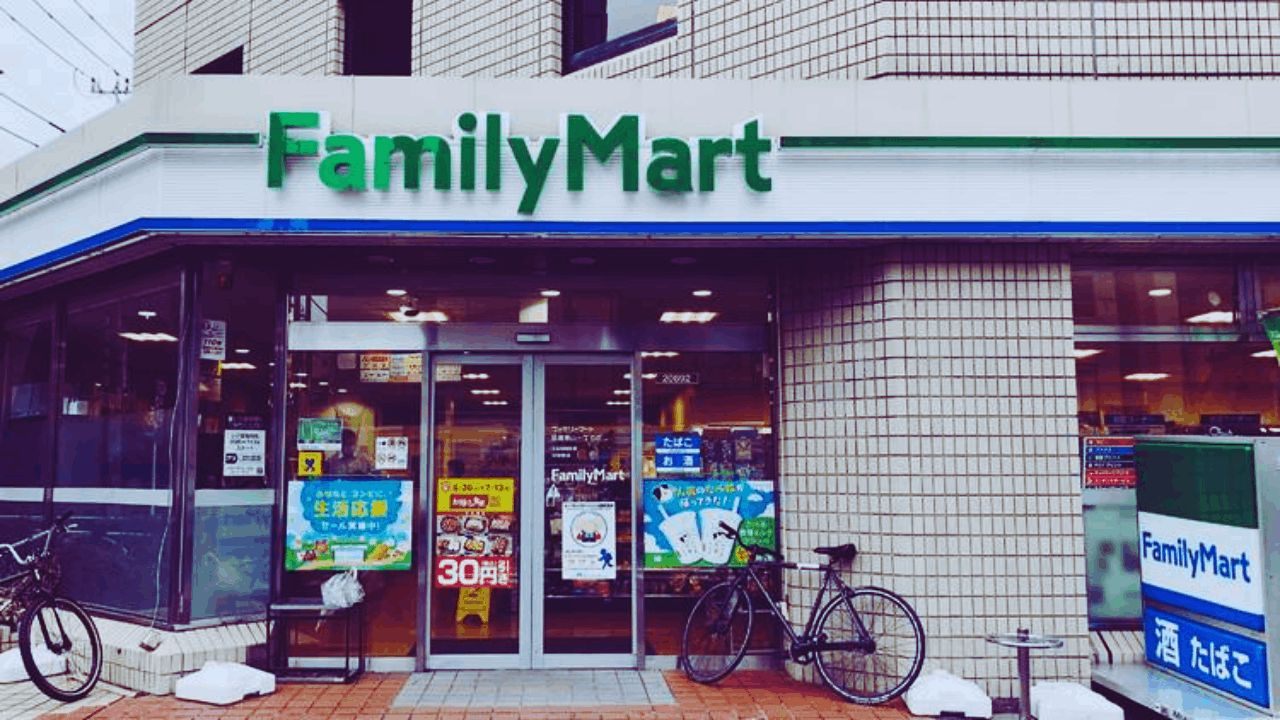
While most staff are Japanese, many stores are increasingly open to hiring foreigners, particularly where a basic understanding of English and Japanese is demanded.
Steady Demand Across Japan
Japan’s convenience store chains—like 7-Eleven, Lawson, and FamilyMart—serve millions daily.
With stores rarely closing, dependable staffing is essential. High turnover rates, especially during student graduation or peak tourism, often create new openings year-round.
Flexible Shifts
Shifts are typically split into morning, afternoon, evening, and late-night. Some stores allow workers to select preferred hours, which can fit around studies or other work—though this may vary by location and branch manager.
Entry-Level Opportunity
It isn’t always required to have extensive experience. For many, these jobs serve as a stepping stone into the Japanese workforce or as supplemental earnings while studying. Just being willing to learn and showing up reliably may count for a lot.
Basic Requirements for Convenience Store Work
Work Permit and Visa Eligibility
Foreigners generally need a valid visa allowing employment. Those on a student visa often receive permission for part-time work, with weekly hour limits. Working holiday visa holders may also qualify.
Checking visa terms before applying is essential, as violations can risk legal status in Japan.
Japanese Language Skills
Almost all postings mention Japanese language as either required or favorable. Minimum expectations focus on daily conversation, helping customers, operating cash registers, and understanding instructions.
Some chains provide training in "keigo," the polite customer service language, though this can be challenging for newcomers.
Minimum Age and Education
Applicants are often expected to have finished junior high school and to be at least 18 years old for night shifts.
For part-time, daytime roles, hiring minors may be allowed, but there are restrictions. Proof of student status may sometimes be needed for international applicants.
How to Find Convenience Store Jobs in Japan
Job Search Platforms
Online job boards, such as GaijinPot Jobs and Jobs in Japan, often feature listings suited for English speakers.
Some convenience store chains operate dedicated recruitment websites offering sections in multiple languages, but availability may be limited in rural regions.
In-Store Advertising
Posting flyers in the store window or near the entrance is common. Application instructions are often displayed, sometimes with a phone number or a QR code linking to an online application form.
Dropping by in person to check availability is one route—though it may require some basic Japanese to interact confidently at the counter.
Networking and Referrals
Referrals from current employees or friends already working at a given store can be surprisingly effective.
Some managers prefer to hire people with some connection to their team, viewing referrals as lower risk. Professional or university support services may also help international students connect to local part-time opportunities.
Preparing Your Convenience Store Job Application
Creating a Japanese Resume (Rirekisho)
The standard resume format, called "rirekisho," uses a set template. Applicants are usually expected to submit a handwritten or neatly typed version.
The rirekisho includes sections for personal information, education, work history, and a small space to explain your motivation. For foreigners, it’s common to attach a passport-sized photo as well.
Highlighting Language Skills
Mentioning any Japanese language proficiency—JLPT scores, coursework, or practical experience—may make a significant difference. Even if skills are “beginner” level, honesty is respected, and willingness to learn is valued by many managers.
Demonstrating Flexibility
Being open to multiple shifts, weekends, or graveyard hours can increase the odds of being hired quickly. Some stores seek applicants for unpopular time slots, and showing interest in these may be an advantage.
Interviewing for a Convenience Store Job
What to Expect at the Interview
The job interview process is usually straightforward, conducted on-site with the store manager. Basic questions cover availability, work experience, motivation, and language comfort.
Candidates may be quizzed on workplace rules or simple customer scenarios. Sometimes, a short written or verbal Japanese test is given—even if you expect to work with a bilingual team.
First Impressions Matter
Turning up on time, wearing clean clothes, and addressing the interviewer politely (with a bow, if possible) are aspects managers often remember most.
Nervousness is common—even among Japanese applicants—so a friendly, patient store manager may help you feel at ease.
What to Bring
Documents typically include the rirekisho (with photo), your residence card (zairyu card), passport, and, for students, your work permit.
Having extra copies just in case may help. If unsure, phoning ahead to ask is not uncommon and could demonstrate your attention to detail.
Onboarding: What Happens After Getting Hired
Initial Training
Most stores provide structured training. New employees might shadow a senior staffer to learn restocking, cash register use, and basic safety routines.
Uniforms and ID badges are issued, and completion of short customer service videos is sometimes required before starting actual shifts.
Common Tasks for New Staff
- Operating the cash register (with support at first)
- Stocking shelves and organizing displays
- Cleaning and trash sorting (a common closing task)
- Preparing simple food items
- Restocking drinks and bentos during busy hours
Though not everyone gets every duty right away. Some stores give newcomers simpler tasks, easing them into more complex responsibilities as skills improve.
Wages, Benefits, and Working Conditions
Typical Pay Rates
Hourly wages for convenience store jobs in Japan typically range from ¥900 to ¥1,200, depending on prefecture, time of day, and the store chain. Remote locations may offer slightly higher pay to attract staff.
Night shifts often bring a 25% wage premium, as required by labor law (though it rarely feels like a windfall, especially after taxes and deductions).
Additional Benefits
Benefits can include discounted meals or drinks, transportation reimbursement, and incremental raises for long-term staff. Performance incentives are rare, but some stores recognize punctuality and perfect attendance through small bonuses or gifts.
Workplace Culture
Store atmosphere and team culture may vary. Some managers focus on efficiency, while others prioritize friendliness. Many foreign workers have positive experiences, describing the community as welcoming, if a little formal at first.
Minor frustrations—like struggling with the fast-paced cash register—are common. Most find that effort and patience go a long way.
Legal Rights and Work Restrictions
Work Hour Limits for Foreign Students
Students on valid visas can generally work up to 28 hours per week during school terms. During vacation periods, this increases, but checking official policy is always safest.
Overtime is discouraged, as exceeding these limits may risk both the student and the employer facing legal penalties.
Tax Obligations
Income from part-time work may be subject to income tax, especially if earnings go above the annual threshold. At hiring, staff fill out a tax form; most stores deduct taxes automatically.
Year-end tax adjustment forms are issued, and keeping records can simplify things when tax season arrives.
Helpful Resources for Job Seekers
Japanese Government Websites
The Immigration Bureau and Ministry of Justice regularly update visa and employment rules. Checking official sources helps avoid misunderstanding regulations.
Language Support Centers
Many major cities operate support centers providing help with employment paperwork, translation assistance, and CV writing. Tokyo, Osaka, and Nagoya have English-language branches.
Conclusion
Convenience store jobs in Japan can be a practical starting point for English speakers seeking flexible work. This step-by-step guide explains how to apply, prepare, and improve your chances.
References
FamilyMart - ファミリーマート公式 アルバイト・パート募集