
For those considering short-term or personal loans in Japan, the Promise loan screening process often stands out for its speed and accessibility.
However, many first-time applicants may feel uncertain, especially with varying requirements and unfamiliar terminology.
This article aims to offer clear insight into how screening works, potential outcomes, and what can influence results. In short, it’s about reducing guesswork for anyone navigating Promise’s loan applications in Japan.
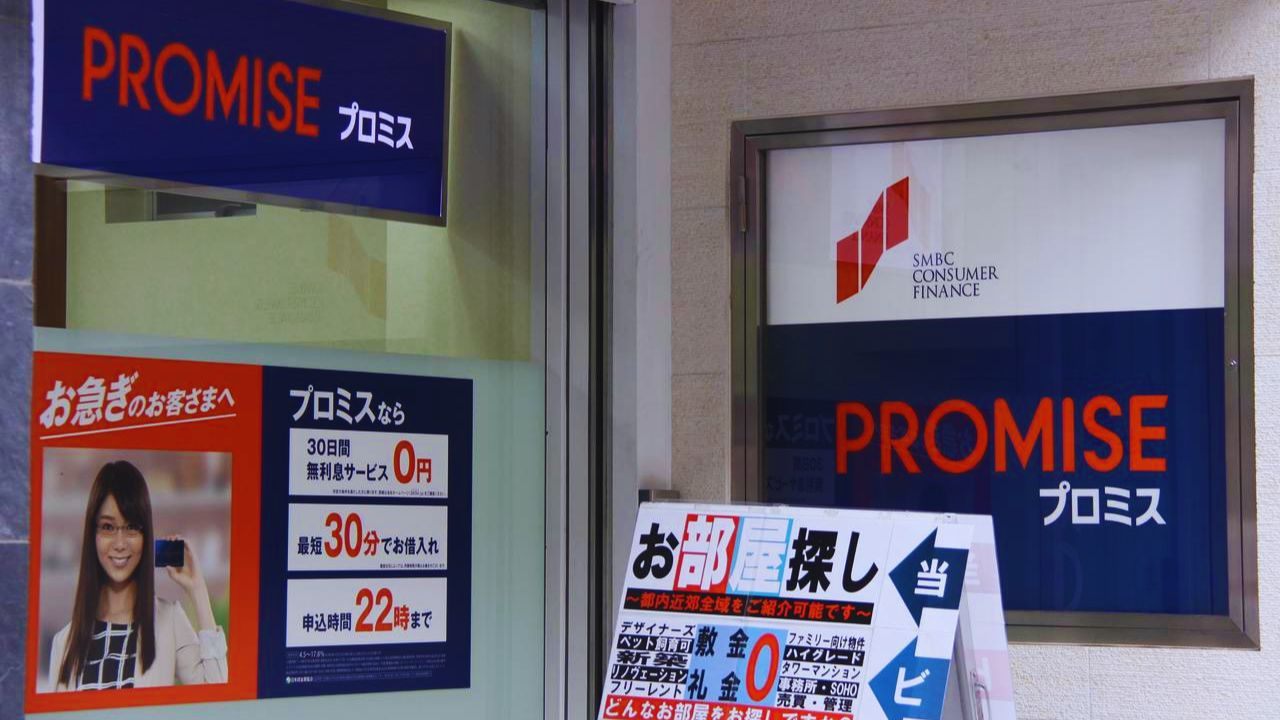
What Is Promise Loan Screening?
The screening—sometimes called examination or pre-approval—is Promise’s internal review of any loan applicant to assess creditworthiness and repayment ability. This stage is crucial for both the applicant and lender, setting the initial likelihood of acceptance.
Why Does Screening Matter for Borrowers?
Screening doesn’t just protect the lender; it also serves borrowers by discouraging unsustainable debt. Having a realistic sense of your screening odds can help avoid wasted time and unnecessary credit checks, which might impact your score elsewhere.
The Typical Steps in Promise's Loan Screening Process
The Promise loan screening involves several sequential stages:
- Application submission (online, in-person, or via phone)
- Identity and income verification
- Credit history check with credit bureaus
- Internal evaluation (including employment and living circumstances)
- Result notification (approval, further inquiry, or rejection)
What Information Does Promise Require?
It’s fairly standard: applicants should expect to provide their full name, current residence, employment details, proof of income, and identification.
Foreigners might need additional documentation, such as residence cards or proof of visa status, to complete the process.
Key Factors Considered in Promise Loan Screening
Key factors considered in Promise loan screening help applicants understand how income, employment, credit history, documents, and repayment ability affect approval.
Credit Score and Credit History
Your credit history in Japan—monitored through agencies like CIC or JICC—can significantly affect the outcome. Missed mobile phone payments, existing loan balances, or frequent hard inquiries may all play a role.
Income and Employment Stability
Regular, stable income is usually favored. Full-time employment with steady salary slips often improves screening chances. Short-term, part-time, or freelance work may complicate assessment, but it isn’t always a dealbreaker.
Length of Stay and Residency
For non-Japanese residents, a proven history of residence in Japan and secure visa status is generally positive. New arrivals might notice more scrutiny or even stricter lending limits.
Existing Debt Load
Multiple outstanding loans or credit card balances could lower approval chances. Japan’s money lending regulations, including the Total Debt Restraint Law, limit borrowing according to annual income.
Contactability and Accuracy
A working phone number, correct address, and up-to-date employment records all help. Errors or inconsistencies on forms can delay, or derail, the screening process.

How Long Does the Screening Take?
One of Promise’s benefits is often rapid screening. Some applicants report same-day results, especially during business hours. However, incomplete applications or the need for extra documents can extend timelines—sometimes unexpectedly.
Possible Screening Outcomes
Promise loan screening can end in different ways depending on the applicant’s information, income, documents, and repayment ability. Knowing the possible results helps borrowers prepare for the next step calmly.
Approval
Approval means the application has passed screening. The lender will usually confirm the borrowing limit, interest rate, repayment terms, and how funds can be received.
Conditional Inquiry
A conditional inquiry means Promise may need extra documents, updated details, or a short follow-up interview before making a final decision.
Rejection
Rejection means the application did not pass. The exact reason may not always be fully explained.
Common Reasons for Screening Delays or Denials
Promise loan screening may take longer or lead to denial when the application raises questions about identity, income, or repayment ability. Understanding these common issues can help applicants prepare better and avoid simple mistakes.
Application Inconsistencies
Incorrect or conflicting details can slow down the review process. For example, mismatched addresses, outdated phone numbers, unclear workplace information, or different employment details may require extra confirmation.
Even small errors can create unnecessary delays if Promise needs to contact the applicant again.
Lack of Verifiable Income
Income is an important part of loan screening. Cash-only work, irregular payments, or income without clear records may be harder to confirm. Preparing payslips, bank records, or employment documents can make the review smoother.
Poor Credit or High Debt Levels
Previous missed payments or too many existing debts may affect approval. Building better repayment habits over time can help future applications look stronger.
Tips to Improve Your Chances with Promise Screening
Promise screening can feel easier when applicants prepare their information carefully before applying. While approval is never guaranteed, small steps can help reduce delays, avoid mistakes, and show stronger repayment readiness.
Check Your Application Details
Before submitting, double-check your personal information, contact details, employment status, income, and workplace information. Even small errors can slow the review process or create questions during screening.
Prepare Income Documents
If possible, prepare recent payslips, employment records, or other income-related documents in advance. Having digital or hard copies ready can make follow-up requests easier to handle.
Manage Existing Borrowing
A healthy debt-to-income ratio may support a stronger application. Try to avoid taking on too many loans at once, especially before applying.
Respond Quickly and Carefully
If Promise contacts you for more information, reply as soon as possible. If rejected, compare alternatives carefully and avoid repeated rapid applications.
Privacy and Data Handling in Promise Screenings
Like other major lenders in Japan, Promise follows strict guidelines for handling, storing, and sharing applicant data.
All information remains confidential except where sharing is required by law. Still, applicants sometimes feel hesitant about providing sensitive details, which is understandable given privacy concerns today.
Frequently Asked Questions about Promise Loan Screening
Frequently asked questions about Promise loan screening help applicants understand eligibility, documents, review steps, approval factors, and common concerns before applying.
Can I get screened if I’m a student or not employed full-time?
While non-full-time workers might see more scrutiny, Promise occasionally considers part-timers or students with sufficient, provable income. Family financial support is less likely to qualify.
Does a screening rejection affect my credit score?
Just applying doesn’t lower your score, but multiple applications—and especially new debt—might impact it indirectly.
Are there limits to how much I can borrow?
Japanese lending laws often restrict total borrowing to one-third of a person’s yearly income, regardless of lender. The actual approved amount may be lower.
Conclusion
Understanding Promise loan screening in Japan helps applicants prepare with clearer expectations before applying.
By reviewing eligibility, income, documents, credit history, and repayment ability, borrowers can reduce uncertainty, avoid rushed decisions, and improve their chances of smoother approval.