
Part-time jobs in Japan help you earn money while managing school or life as an expat. These roles often come with flexible shifts and simple tasks.
Many jobs accept workers with basic or no Japanese. This guide shows you the most flexible options and where to find them.
What Makes a Job "Flexible" in Japan?
Flexibility is a major consideration for foreign workers balancing other responsibilities. Flexible jobs allow control over hours and minimal long-term commitment.
These roles usually offer shift-based schedules with short training periods. You can usually start fast and work during evenings or weekends. A job is considered flexible if it lets you choose shifts or cancel in advance.
It doesn't require overtime or long contracts. You can work within the limits of your visa and still manage studies or other duties. Pay is usually by the hour, not fixed salary.
Common Flexible Jobs for Expats and Students
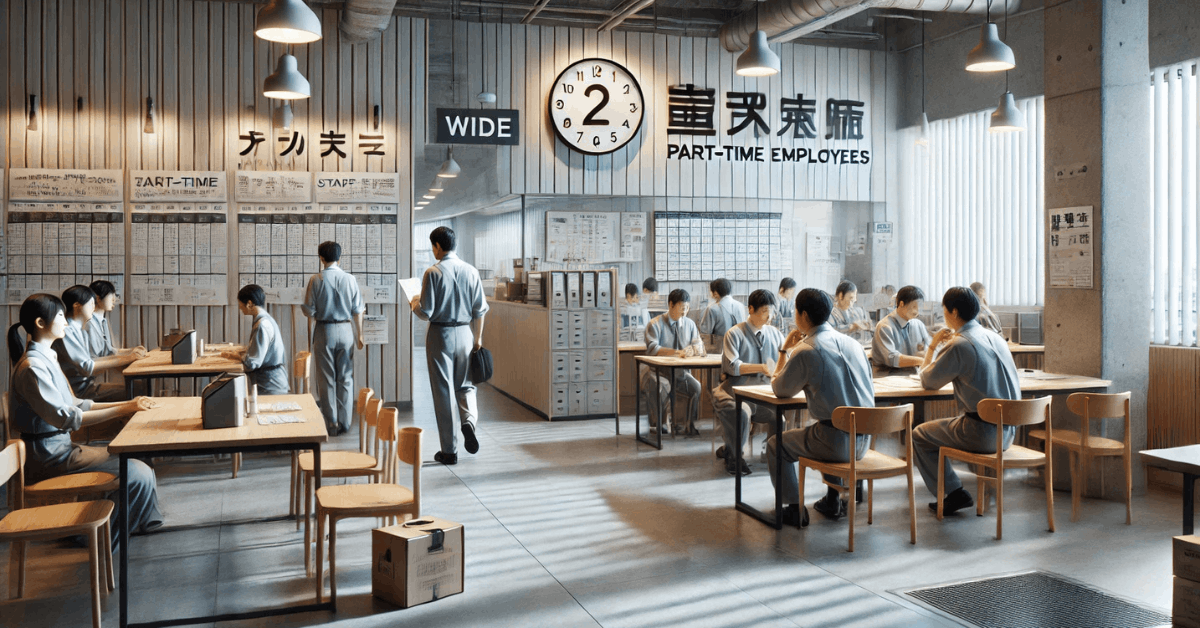
Japan has specific industries that welcome part-time workers. These sectors need high turnover support and are open to foreigners. Each job has different perks, language requirements, and work environments.
Convenience Store Staff - Konbini
This is one of the most common part-time jobs for students. You will work at the counter, restock items, and keep the store clean.
Some Japanese language is required to assist customers. It's ideal for those with basic speaking skills. Pay usually ranges from 1,050 to 1,300 per hour, depending on the location.
Most stores offer flexible shifts throughout the day and night. You may also get employee discounts or bonuses for working holidays. It’s a good entry-level job with structure.
English Tutor - Eikaiwa or Private Lessons
Many Japanese people seek English conversation partners or tutors. If you're a native speaker or fluent, this is a high-paying option.
Classes may be held in cafes, online, or private homes. Little to no Japanese is required. Rates can be 2,000 to 4,000 per hour for private lessons and 1,200 to 2,500 for schools.
These roles let you choose your own schedule or cancel in advance. It’s best for confident speakers and self-starters. You help others while earning well.
Restaurant or Café Staff
Food service jobs are available everywhere in Japan. You’ll greet guests, clean tables, and deliver food. This job improves your spoken Japanese through direct interaction.
Training is usually short. The pay starts at 1,000 to 1,300 per hour, often with free meals. These jobs offer split shifts and rotating schedules.
It’s a social job, great for practicing language and meeting people. Busy times include lunch and dinner hours.
Delivery Worker - Uber Eats, Yamato
Delivery is popular among foreigners because it requires minimal Japanese. You pick up food or packages and bring them to the customer.
You can use a bicycle, scooter, or car depending on your license. There’s no boss watching over you. Earnings are per delivery: 300 to 600 for food apps or 1,200/hour for contracted work.
You can work when you want, without applying for shifts. It's a great match for students who need freedom. This job suits physically active people.
Factory or Warehouse Helper
These roles require repetitive tasks like sorting or packing. Interaction is minimal, and Japanese is often not needed.
Employers provide uniforms and training. Physical stamina is important. Wages are often 1,100 to 1,500/hour, sometimes more for night shifts.
Most jobs have stable hours and predictable routines. Breaks and overtime pay are common. Factories are ideal if you want structure without customer contact.
Hotel or Hostel Assistant
Hotels need workers for front desk, cleaning, or managing guests. Some roles include free housing. You may interact with both Japanese and foreign tourists.
English is a plus in international hostels. Salaries range from 1,000 to 1,300/hour, with potential bonuses.
Schedules can include overnight or weekend shifts. It’s a great way to learn hospitality work. Multilingual applicants are often preferred.
Event Staff and Promo Jobs
Short-term events hire people for setup, registration, or giveaways. You work at expos, concerts, or product launches. Jobs are assigned per day, no long-term commitment.
Japanese is useful but not always needed. You can earn 1,200 to 2,000/hour depending on the event.
These gigs are one-time, so you choose which ones to accept. Great for students with irregular availability. Look for listings on short-term work apps or flyers.
Legal Requirements and Visa Rules
Before working, you must check if your visa allows part-time jobs. Students, dependents, and working holiday visa holders all have different rules.
Working without permission may result in deportation. Always confirm your legal status first.
For Student Visa Holders
Students must apply for a work permit at the immigration office. During semesters, students are limited to 28 hours per week.
During school breaks, the cap rises to 40 hours per week. You can apply for this permit easily with your residence card.
For Other Visa Holders
Working Holiday visa holders can take any job up to one year. Dependent visa holders can also apply for work permission.
You must still follow general labor laws. Keep track of your hours and income.
Where to Find Jobs in Japan?
Online job boards and school groups are helpful. In-person applications are also common. Use English-friendly platforms when starting out.
Online Platforms
Use websites like GaijinPot Jobs, YOLO Japan, and Jobs in Japan. These platforms list jobs open to foreigners. Some include filters for language skills and visa types. Always read the requirements carefully.
University Boards and Social Circles
Universities often have job postings for students. Language exchange events also connect you to families or companies. Joining school clubs or LINE groups can help. Word of mouth is very effective.
Walk-In Applications
Bring your resume and ask at stores or cafés near you. Use simple Japanese or ask a friend to help. Many chains regularly hire part-timers. Be polite and wear neat clothes.
Skills That Help You Get Hired
Getting hired in Japan is easier if you develop key skills employers expect. These skills improve your chances and make your work experience smoother.
- Basic Japanese skills: Learn greetings, numbers, and workplace terms to show effort.
- Punctuality: Arrive on time or early; lateness is seen as disrespectful.
- Neat appearance: Dress cleanly, follow uniform rules, and maintain hygiene.
- Politeness: Use proper language, gestures, and tone even if you're unsure in Japanese.
- Willingness to work: Show up consistently, follow instructions, and be ready to learn.
- Clear resume: Include a professional photo, visa status, and your availability.
- Customer service background: Prior experience helps in retail or food jobs.
- Cultural awareness: Understand basic Japanese work culture to avoid misunderstandings.
Common Challenges and How to Prepare?
Below is a clear list of challenges you may face and how to handle them effectively.
- Language barriers: Use translation apps like Google Translate and learn basic Japanese work terms.
- Cultural misunderstandings: Observe workplace behavior, follow etiquette, and ask for clarification when unsure.
- Legal confusion: Understand your visa limits, get permission before working, and track your hours.
- High expectations: Japanese employers value punctuality, neatness, and precision—meet these consistently.
- Lack of confidence: Practice polite phrases, prepare for your tasks, and ask for help if needed.
- Workplace rules: Follow all protocols, including hygiene, uniforms, and communication procedures.
- Time management: Choose jobs close to home or school, and avoid overbooking your schedule.
- Physical demands: Be aware of the requirements for factory, kitchen, or delivery jobs, and rest when needed.
Final Takeaways: Work Smart and Stay Legal
Japan has many flexible jobs suited to your visa and lifestyle. From konbinis to online tutoring, options exist for all language levels.
Know your legal limits and pick work that fits your needs. Use this opportunity to earn, learn, and grow while living in Japan.